
Floor Flatness and Moisture in Data Centers
30 Sep 2026
Concrete Slab Flatness, Moisture and Coating Performance
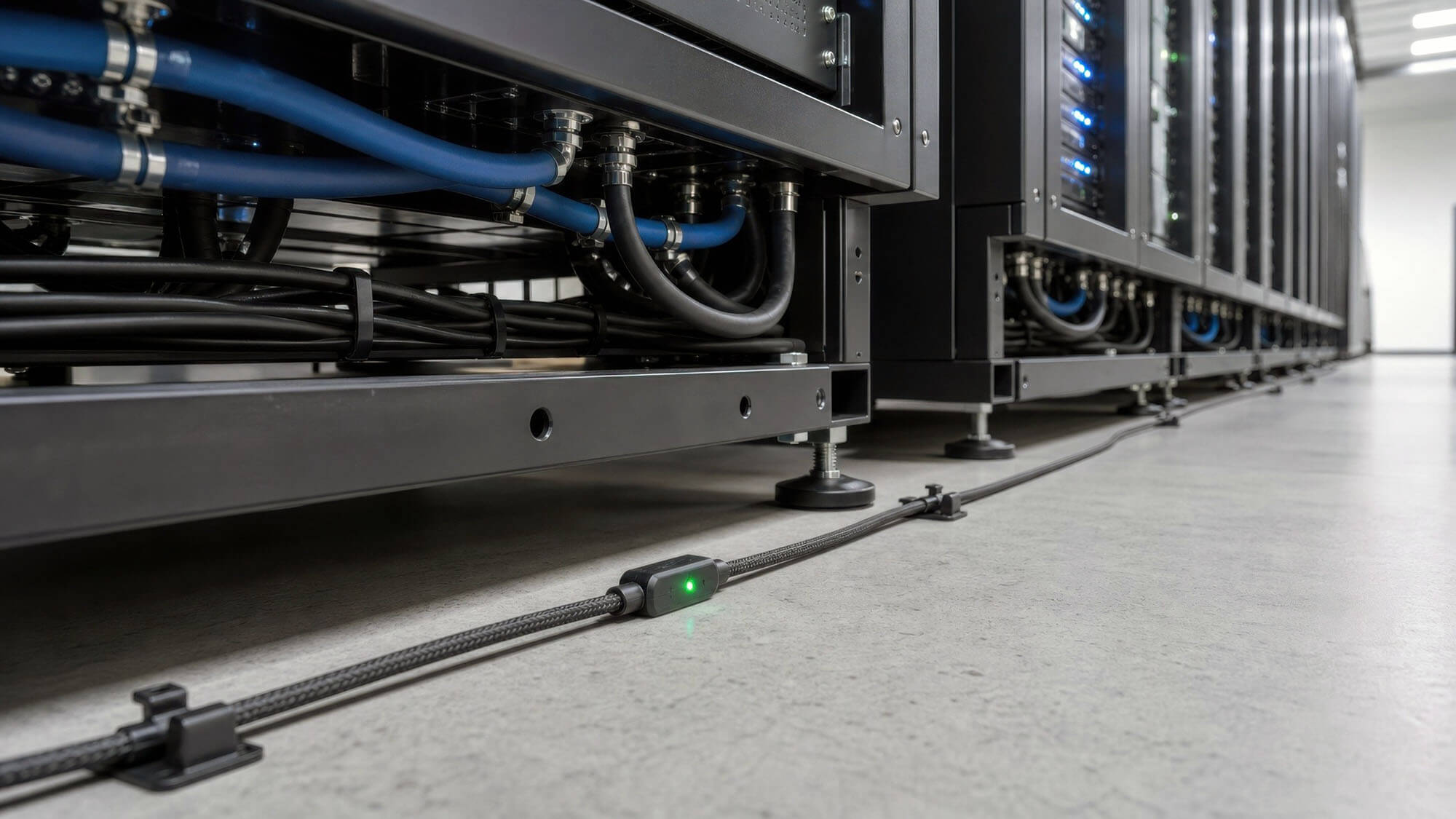
Data center floors support concentrated equipment loads, rolling equipment, and ongoing facility operations. Before that equipment is in place, the concrete slab must meet the tolerances and surface conditions specified for the space.
A slab outside specified flatness or levelness tolerances may complicate equipment installation, while moisture above the limits established for an epoxy, resinous or other surface coating can create a separate set of problems. Both conditions are best evaluated while the slab is still accessible.
Start With the Specified Tolerances
Flatness and levelness describe different characteristics of a concrete floor. Flatness refers to surface variations over relatively short distances, including high and low areas, while levelness refers to how closely the slab elevation conforms to the intended horizontal plane.
ASTM E1155/E1155M provides a standardized method for measuring floor surface profiles and determining FF, or floor flatness, and FL, or floor levelness, numbers. Required values vary by project, so construction documents should identify the specified tolerances, where they apply and how compliance will be evaluated.
Why Data Center Floors Can Require Tight Tolerances
Surface variations that have little effect in some buildings can create problems in a data center. Racks, cabinets, and other equipment depend on the supporting surface during placement and alignment, and high or low areas can complicate that work. Variations in the finished floor may also affect carts, lifts and other rolling equipment used during construction or facility operations.
Testing the slab before finishes and equipment are installed allows the results to be compared with the specified tolerances while corrective options remain available. Intertek-PSI performs floor flatness and levelness surveys that provide these measurements for project teams.
Surface Coatings Do Not Correct Every Slab Condition
Many data center floors receive epoxy, resinous or other specialized coatings, but these materials should not be expected to correct an out-of-tolerance slab. Depending on the condition, repairs may include grinding, patching, leveling or another approved method. Any repair must also account for the preparation and installation requirements of the selected coating.
Even a slab that meets its flatness requirements can still present another issue: moisture.
Moisture Creates a Separate Risk
Moisture can remain within concrete after the surface appears dry. ASTM F2170 measures relative humidity within concrete floor slabs using in-situ probes, while ASTM F1869 measures moisture vapor emission from bare concrete floors using anhydrous calcium chloride.
The applicable method depends on the project and flooring or coating system. Results should be compared with the limits established for the selected product.
Excess Moisture Can Affect Coating Performance
Installing a coating over concrete with moisture conditions outside the manufacturer’s allowable limits may contribute to:
- Loss of adhesion or delamination
- Blistering or bubbling
- Deterioration of flooring or coating materials
- Moisture trapped beneath the finished surface
The acceptable moisture level depends on the flooring or coating system, the test method, and the manufacturer’s requirements. Cleaning, profiling, and repairs should also follow the project documents and coating requirements.
When Does the Finished Floor Need Static Control?
Some data center spaces specify flooring designed to control electrostatic discharge (ESD). Flatness and concrete moisture tests do not show whether the finished floor meets its electrical resistance requirements. Where static control is specified, that performance needs a separate evaluation. ANSI/ESD STM 7.1 provides a method for measuring the electrical resistance of floor materials used for static control. ASTM F150 applies specifically to conductive and static-dissipative resilient flooring in tile or sheet form. The appropriate method depends on the floor finish and project specifications.
Some projects also call for waterproofing integrity testing in interior areas where water could move between compartments. This checks the installed waterproofing system and addresses a different condition from moisture within the concrete slab.
Evaluate Both Before the Next Phase
Flatness testing show whether the slab meets the specified tolerances. Moisture tests show whether conditions meet the limits for the selected flooring or coating. Where static control flooring is specified, electrical resistance requires a separate evaluation.
If an area is out of tolerance before coatings are applied, repairs may include grinding, leveling or another approved method. Elevated moisture may require review of the source, product requirements, and available mitigation methods.
Once coatings, racks, and equipment are in place, access becomes limited, and repairs may interfere with construction sequencing or facility operations.

You may be interested in...

Data Center Services
Intertek delivers end-to-end data center testing, inspection, commissioning, and certification across every phase of the full project life cycle, from Design and Building to Commissioning.
Flooring Testing and Certification
Intertek offers comprehensive Testing and Certification solutions for all types of Flooring Products ensuring both quality and safety and gaining market access.