UL 2755 Testing and Certification Solutions for Modular Enclosures and the Data Center Industry
What is UL 2755?
UL 2755, also known as the Standard for Safety for Modular Data Centers and Equipment Enclosures, is a safety standard specifically designed for prefabricated, factory-built, and skid-mounted units. It focuses on ensuring the structural and electrical safety of non-occupied enclosures intended for exterior-only service access. This standard provides manufacturers with a third-party listed, repeatable product design that demonstrates a commitment to rigorous safety benchmarks.
What are the UL 2755 Certification Requirements?
The requirements for UL 2755 certification apply primarily to specialized equipment enclosures. However, a critical distinction exists regarding human access:
- Access Limitations: The standard is intended for units where maintenance is performed from the exterior.
- Classification Shifts: The inclusion of features such as side-hinged "man doors" or walkable interior space can change the unit's classification from "equipment" to a "building."
- Regulatory Interplay: While UL 2755 confirms product safety, it does not replace the International Building Code (IBC) or state modular program requirements. If a unit is classified as a building, it must undergo plan reviews, in-plant inspections, and receive state labeling/insignia regardless of its UL listing status.
What is the Scope of UL 2755?
This standard covers the safety of the enclosure itself and its integrated systems. It is applicable to modular units that are relocated to a site and interconnected. It is important to note that the Authority Having Jurisdiction (AHJ) holds the final say on classification. UL 2755 does not determine whether a unit is "equipment" or a "building," nor does it serve as a local building permit. Instead, it serves as a foundational safety listing that supports market acceptance and streamlines the approval process with local inspectors.
What products apply to UL 2755?
- Prefabricated Data Centers
- Skid-Mounted Power Modules
- Telecommunication Enclosures
- Energy Storage System (ESS) Containers
- Modular Mechanical Rooms (Non-Occupied)
- Factory-Built Equipment Housing
Related Standards & Compliance:
- Modular Building Programs: When a unit features interior access, it may trigger state-mandated modular regulations involving third-party plan oversight.
- IBC/IRC: These codes govern the placement and occupancy of the structure at its final destination.
- UL 2755 vs. Traditional Construction: Unlike site-built structures, UL 2755 focuses on the "productized" nature of modular units, ensuring consistency across multiple production runs.
Intertek’s Value Proposition
Intertek provides a unified solution that bridges the gap between equipment-based listings and building-based regulatory approvals. We offer:
- Classification Guidance: Early-stage support to determine if your design falls under UL 2755 or state modular building programs.
- Parallel Path Execution: We manage testing and modular compliance simultaneously to reduce market delays.
- Global Reach: A single-source partner for testing, certification, and in-factory inspections.
- Regulatory Expertise: Ensuring your product meets both the safety standards and the specific legal requirements of the AHJ.
You may be interested in...
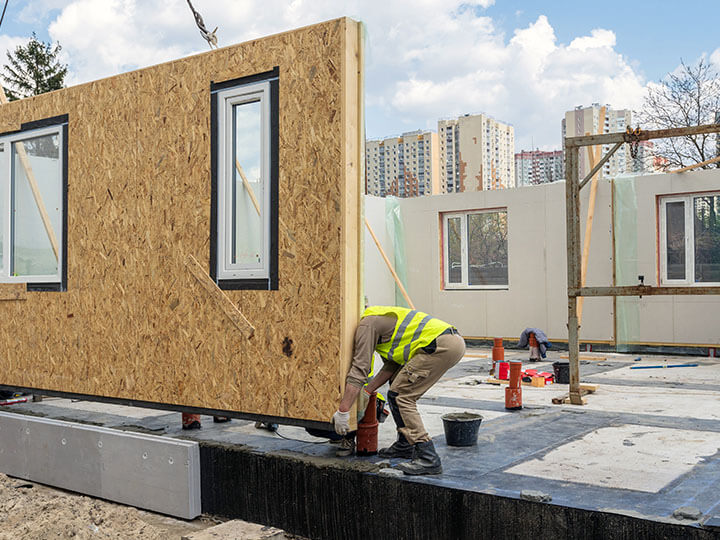
As a well-recognized registered Modular Third-Party Inspection Agency (TPIA), Intertek supports manufacturers through every phase of the modular construction process, including Compliance, Inspections, and Certification solutions.
Related Links
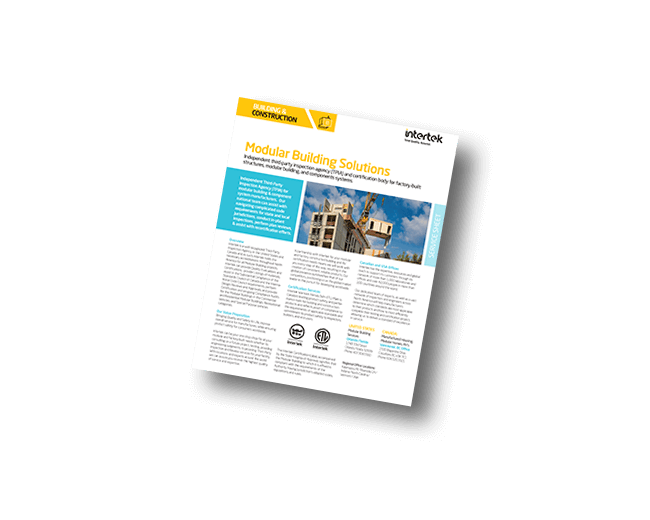
Modular Building Solutions | Fact Sheet
Intertek is your one-stop-shop for all your modular and factory-built needs whether its consulting on a future project, testing, providing engineering judgments, to providing Third-Party Inspection and Review services for your facility.
Knowledge Center
Building Health & Wellness: An Overview of Services
Acoustical Testing & Consulting Resources
Remote Pre Inspections for NFPA 80 / 101
Protek - Safety. Everywhere. Every Day
Fire Doors 101: Your Guide to Testing and Certification - Webinar Recording
Tornado Testing & Certification Requirements - Webinar Recording
Plumbing Products Testing & Certification - Webinar Recording
The Evolving Code Evaluation Process White Paper
Proposition 65 & the Furniture Industry Webinar Recording
Why Planning for FCC Certification is Key to Success in the Door Hardware Industry White Paper